


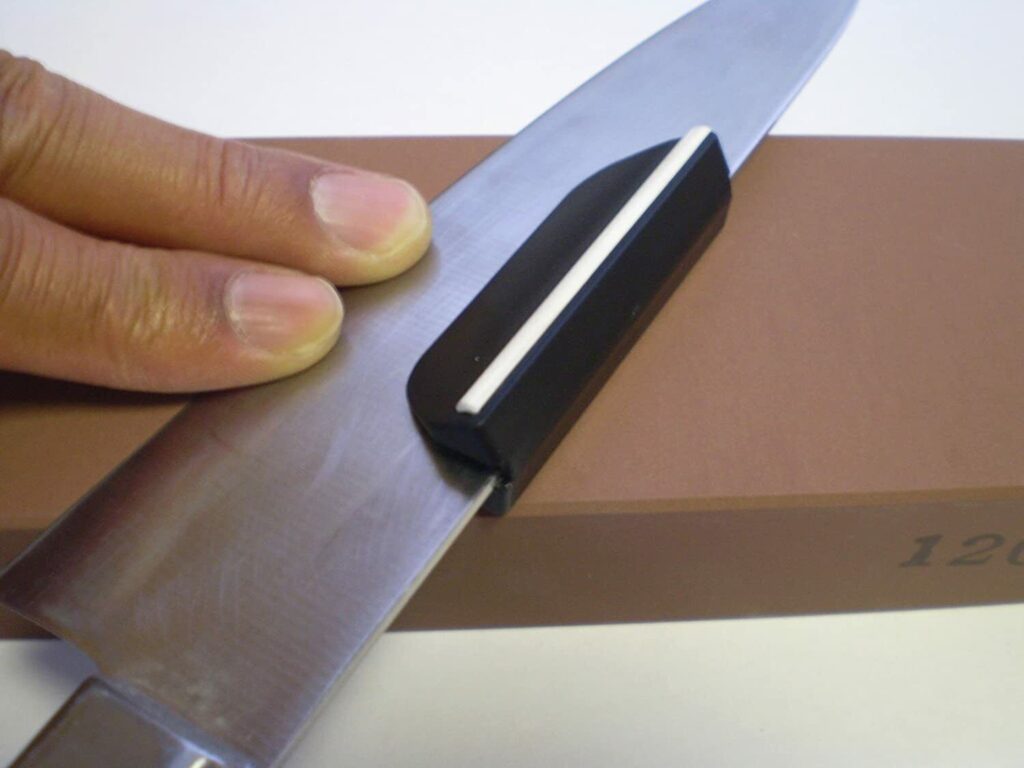
In this article, we'll explore the tools we use to sharpen our knives. Keeping our blades sharp is crucial for precise and efficient cutting, as well as ensuring our safety.
By understanding our options, we can make informed decisions about which tool suits our needs best. From whetstones to honing steels to electric sharpeners, we'll discuss the advantages and techniques of each.
Let's learn together how to keep our knives sharp and ready for any culinary challenge.
TLDR
- Whetstones offer precision and control for sharpening knives
- Honing rods are easy to use and require minimal maintenance
- Electric sharpeners provide quick and consistent results
- Regular sharpening with either whetstones or honing rods maintains a razor-sharp edge on knives
Introduction to Knife Sharpening
Now let's talk about why it's important to keep a knife sharp and the common tools that can be used for knife sharpening.
A sharp knife not only makes cutting tasks easier and more efficient, but it also enhances safety by reducing the risk of accidents.
To achieve a sharp edge, there are several tools available, including whetstones for precision and control, honing steels for realigning the edge, and electric sharpeners for quick and consistent results.
Each tool has its own advantages and techniques, so let's explore them further.
Importance of Keeping a Sharp Knife
Keeping a sharp knife is crucial for efficient and safe cutting, and it can be achieved through regular knife sharpening. A sharp blade offers numerous advantages, including maintaining cutting efficiency and ensuring precise cutting. It also provides safety benefits as a dull blade can slip and cause accidents. Proper knife maintenance involves regular sharpening to maintain a razor-sharp edge. To test knife sharpness, you can try cutting a piece of paper or a tomato effortlessly. Regular sharpening also has a positive impact on cooking efficiency, as it allows for smoother and more precise cuts. By keeping our knives sharp, we can enjoy the benefits of a sharp blade and enhance our cooking experience.
| Advantages of Sharp Knives | Benefits of a Sharp Blade | Maintaining Cutting Efficiency |
|---|---|---|
| - Safe and efficient cutting | - Precise and clean cuts | - Consistent cutting performance |
| - Reduces the risk of accidents | - Less force required for cutting | - Smooth and effortless slicing |
| - Minimizes food waste | - Enhanced control over the knife | - Decreased prep time |
| - Improved cooking experience | - Reduced strain on hands and wrists | - Professional and polished results |
Common Tools for Knife Sharpening
Let's talk about the common tools used for sharpening knives.
We've whetstones, which offer precision and a razor-sharp edge but require practice to master.
Honing rods, on the other hand, are quick and easy to use for realigning the edge of a knife.
Lastly, electric knife sharpeners provide a convenient option but may remove more material than necessary.
Whetstones
To sharpen a knife, one common method involves using a whetstone, a rectangular block of abrasive material. Whetstone techniques include drawing the knife blade across the wetted stone at a consistent angle to refine the edge.
Types of whetstones vary in grit levels, allowing for different levels of sharpness. Whetstone maintenance involves periodically flattening the stone surface.
Honing steel techniques involve realigning the knife edge, and materials can be hardened steel or ceramic.
Electric sharpeners offer convenience and consistent sharpening, but can remove excessive material and affect knife lifespan.
Maintaining knife sharpness is essential for efficient and safe use.
Honing Rods
We use honing rods as a common tool for sharpening knives. Honing rods, also known as sharpening rods, are cylindrical rods made of various materials such as steel, ceramic, or diamond-coated steel. They're used to realign the edge of a knife, keeping it sharp and efficient.
Honing rods are easy to use and require minimal maintenance. They're a great alternative to whetstones, offering quick touch-ups to the blade. However, they shouldn't be used on extensively damaged blades.
When using a honing rod, it's important to maintain the correct angle and apply gentle pressure. Several brands offer high-quality honing rods, ensuring the longevity of your knives. Remember to follow safety precautions when sharpening knives with honing rods.
Electric Knife Sharpeners
Electric knife sharpeners are a convenient and user-friendly tool that can be used to sharpen knives effectively and efficiently.
Advantages of electric sharpeners:
They provide quick and consistent sharpening, saving time and effort.
Proper technique for using electric sharpeners:
Follow the manufacturer's instructions and maintain a steady hand while guiding the knife through the slots.
Maintenance of electric sharpeners:
Clean the device regularly and replace worn-out sharpening stones or discs.
Overall, electric sharpeners offer ease of use and consistent results, making them beneficial for beginners. However, it's important to use them with caution and avoid common mistakes such as applying excessive pressure or using the wrong slot for the knife type.
For optimal results, choose a recommended electric sharpener suitable for your specific knife. Alternatively, other methods like whetstones or honing rods can be used for knife sharpening.
Understanding Knife Sharpness
Now let's talk about understanding knife sharpness.
It's important to know what defines a sharp knife and how to recognize signs of a dull blade.
A sharp knife should effortlessly slice through food, while a dull one will struggle and require more force.
What Defines a Sharp Knife
To understand knife sharpness, it's important to grasp the concept of edge retention. The definition of sharpness goes beyond just a knife's ability to cut effortlessly. It also refers to the knife's ability to maintain a sharp edge over time.
Testing knife sharpness involves assessing its cutting performance and the ease with which it slices through different materials. Maintaining a sharp edge involves regular sharpening and proper knife care to prevent dulling or damage.
The benefits of a sharp knife are numerous, including improved cutting precision, reduced effort, and increased safety. When choosing the right sharpening tool, consider factors such as the type of blade and desired sharpness level. Understanding the difference between honing and sharpening is crucial for proper knife maintenance.
Sharpening frequency depends on usage, but signs of a well-sharpened knife include clean cuts and minimal effort. Ultimately, proper knife care is essential for maintaining a sharp edge and prolonging the life of your knife.
Signs of a Dull Knife
Let's talk about the impact of dull knives on cooking.
A dull knife can make cutting and chopping tasks more difficult and time-consuming, leading to frustration in the kitchen.
It can also affect the presentation of the food, as a dull knife may crush or tear delicate ingredients instead of cleanly slicing through them.
Additionally, using a dull knife increases the risk of accidents and injuries, as more force is needed to cut through objects, making the knife more prone to slipping.
Impact of Dull Knives on Cooking
Using a dull knife in the kitchen can significantly hinder our cooking experience and compromise the quality of our dishes. The impact of dull knives on food quality is noticeable, as they can cause uneven cuts, crushing instead of slicing, and slower prep time.
Safety precautions for knife sharpening are essential to prevent accidents. Professional knife sharpening offers benefits such as precision and expertise. DIY knife sharpening techniques require careful practice and knowledge.
Frequently Asked Questions
What Are the Advantages and Disadvantages of Using a Whetstone Compared to Other Sharpening Tools?
Using a whetstone for knife sharpening offers precise control and achieves a razor-sharp edge. However, it requires practice and patience. Honing steels are quick and easy, but not suitable for severely damaged blades. Electric sharpeners are convenient, but risk removing excessive material. Considerations when choosing a knife sharpening tool.
Can Honing Steels Be Used to Sharpen Severely Damaged Knife Blades?
Yes, honing steels can be used to repair slightly damaged knife blades by realigning the edge. However, for severely damaged blades, professional sharpening or alternative methods may be recommended to ensure safety and maintain the knife's long-term effectiveness.
How Do Electric Knife Sharpeners Adjust the Sharpening Angle for Different Blade Types?
Electric knife sharpeners adjust the sharpening angle for different blade types by incorporating features such as blade angle adjustments, multiple sharpening stages, and compatibility with various abrasive materials. They offer ease of use, quick sharpening speed, and safety features, while requiring minimal maintenance.
Is There a Risk of Removing Too Much Material When Using an Electric Knife Sharpener?
Yes, there is a risk of removing too much material when using an electric knife sharpener. Proper technique, blade angle adjustment, and motor power all affect material removal. It's important to balance sharpening speed with maintenance requirements for optimal blade longevity. Cost effectiveness and user experience vary.
Are There Any Additional Factors or Considerations to Keep in Mind When Choosing a Knife Sharpening Tool?
When choosing a knife sharpening tool, it's essential to consider factors such as sharpening stone types, different grit levels, angle guides, and sharpening tools for different blade materials. Techniques, portable options, DIY methods, and professional services are also important considerations.